Climate and resilience · Tom Blackwell · 5 min read
NatHERS and energy efficiency in Queensland
Stars, glazing and the 7-star pathway — how to use the rating tools without letting a software score design a tropical house you will hate.
Published 18 March 2024 · Updated 27 May 2026
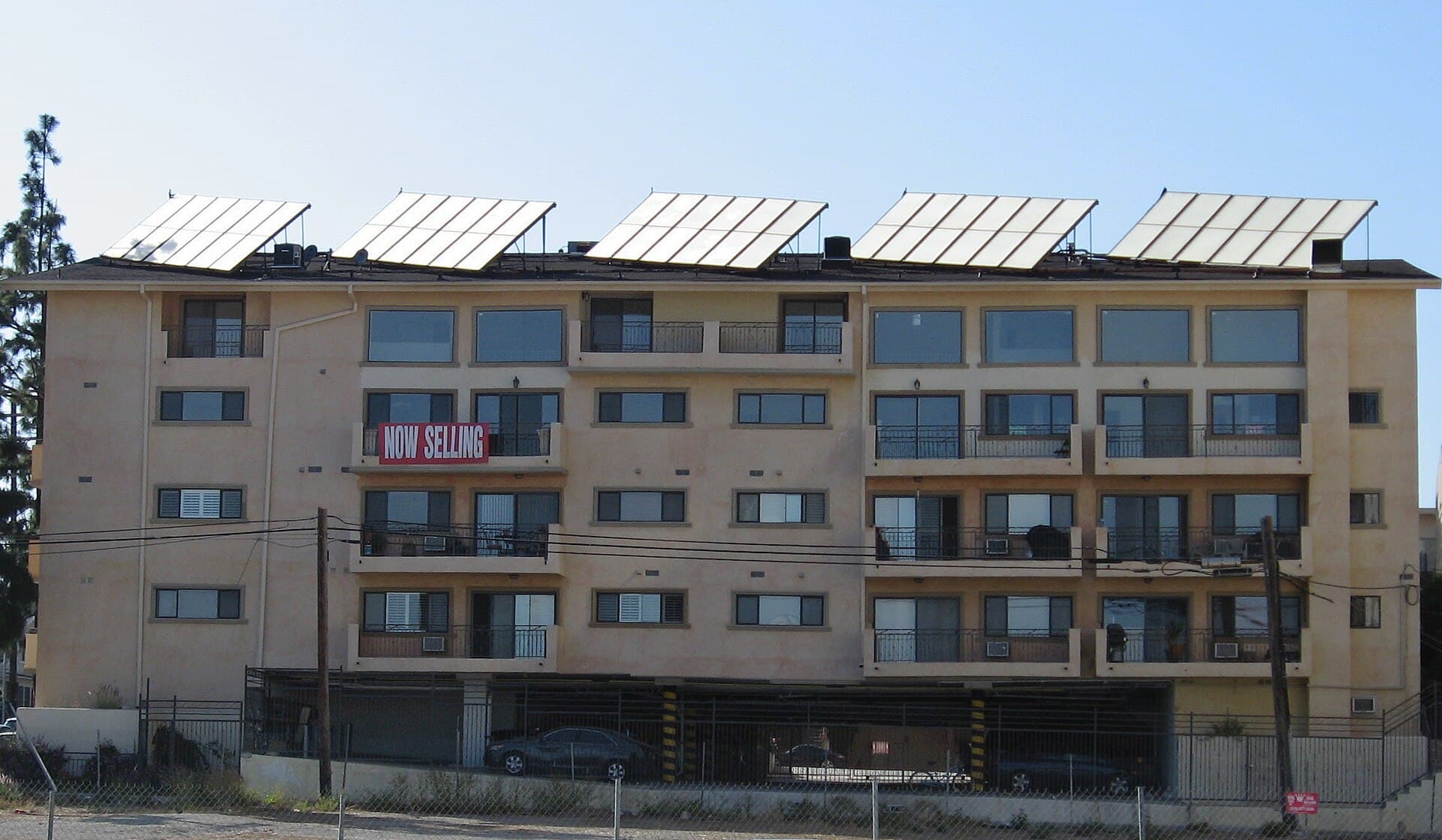
Photo: Downtowngal · CC BY-SA 3.0 · Source · Image credits

Energy ratings entered Queensland housing as a national project and met a climate that is not Melbourne. NatHERS and the National Construction Code pathway are real. They are also easy to game with sealed boxes and air-conditioning assumptions that do not match how a Cairns or Townsville family lives.
A custom home should treat the rating as a critic, not as a god. The old Custom Homes QLD line about functional tropical spaces is the test: does the house work with the windows open, and what does it cost when they cannot be?
Rules and star targets move. Read the current NCC and Queensland variations when you lodge. This essay is about the design habits that still help when the number changes.
Model the house you will occupy
Tell the assessor which rooms you will close, whether you sleep with a fan, and whether the living room is a glass hall. A model that assumes a different life will give you a pretty star and a shocking bill.
Zoning helps. A great room that cannot be shut is a volume you will pay for. Open-plan. Shade helps more than almost any gadget. Passive cooling. Glass is the usual villain and the usual view. Insulation and glazing.
If the first way to “get the stars” is to delete the eaves or seal the breezeway, you are breaking the Queensland house to please a national tool. Ask for another way.
The cheap tonnes
Orientation. Eaves that actually hit summer glass. Light roofs. A ceiling fan in every sleeping and living room you will use. Cross-ventilation that is not theoretical. These are old ideas. They still move the model and the body.
Insulation is not optional, including in places that “never get cold”. Humidity and a hot roof make a ceiling a radiator. Specify it, install it, photograph it.
Airtightness has a place in air-conditioned hours. It should not be an excuse to design a house that cannot exhale in a good southerly.
Solar, hot water and the stuff on the roof
Photovoltaics are now part of a normal custom brief in Queensland. They need roof that is not all hip and valley, a cyclone conversation about rails, and an electrical plan that is not a leftover. They do not replace shade.
Hot water, pool pumps and a second fridge will eat generation if you let them. Design the life, not only the array. Pools.
Batteries are a separate, moving market. Do not let a salesperson redesign the house around a product that will have a second generation before your defects period ends.
Compliance versus comfort
A certificate is what the certifier needs. Comfort is what you will argue about in February. Commission the model early enough to change the eaves, not only the glass thickness. Put the report in the approval pack as a design tool.
Cost the envelope in the cost guide sense. Stars that arrive through last-minute double glazing on the wrong orientation are an expensive sticker.
A brief that keeps the weather in the room
Write: we will meet the legal rating, we will not delete shade to do it, and we will run ceiling fans as a primary system. Then hire an assessor who has modelled houses north of Gympie, not only in a temperate software default.
Air-conditioning as a servant, not a floor plan
Size the system after the envelope is decent, not before. A huge ducted unit can hide a bad eave for a season and then announce itself on the bill. Zoned systems help if the family will actually close doors. They do not help a single glass hall.
Put outdoor units where they can be serviced, where they do not dump heat into a bedroom window, and where a cyclone rating has been considered. The cheapest visible wall is often the worst.
Commission the system. A custom house with unbalanced air is a fight waiting for summer.
The report as a conversation piece
Sit with the assessor and the designer in the same hour. Ask which rooms fail, which windows are doing the damage, and what happens if you add a western awning instead of changing glass. Write the answer into the minutes.
If the only path to compliance is a house you will hate with the windows shut, you have the wrong plan, not the wrong brand of glass.
The tropical house this masthead grew up with was an energy machine before it was a brand. Keep it that way, even when the software is from elsewhere.
Hot water, pools and the loads the stars forget
A rating can look handsome while a pool pump and an electric hot-water habit eat the solar. Design those loads as part of the house. A shaded roof for collectors, a timer culture, and a pool cover are custom decisions.
If you work from home all afternoon in a glass room, the model’s “occupancy” is wrong. Tell the assessor the truth. Then change the room or accept the bill.
Stars are a critic. They are not the climate.
What to tell the family when the stars arrive
A certificate is not a licence to seal the house and forget fans. Teach the night flush, the blinds, the closed western room. A custom home is operated. Ratings assume a version of that operation. If your household will not do it, change the house or change the expectation.
Commissioning day
When the mechanical system starts, walk every room with the designer and the installer. Feel the glass. Feel the ceiling. If a room is already wrong, the stars will not save it. Change the shade or the glass before you change the family. Ask the assessor which single change would move the score most. If the answer is shade, believe them and stop shopping for gadgets.
Use the rating as a critic in the sketch stage, when eaves can still move. Tell the assessor how you actually live. Do not delete a breezeway to please a southern default. Stars that arrive through last-minute glass on the wrong wall are an expensive sticker. Commission the mechanical system, then teach the household the fans and the night flush the model quietly assumed you would use.
Frequently asked questions
- Does a higher star rating mean I will not need air-conditioning?
- No. In much of Queensland it means the house should be easier to run when you do condition it, and more livable when you do not. Fans and shade still do the daily work.
- Can I just add solar instead of fixing the glass?
- Solar is a generation story. Unshaded west glass is a load story. Do both if you can. Do not use a panel to excuse a bad envelope.
- Who should run the NatHERS model?
- An assessor who will also tell you, in English, which rooms fail. A score without a conversation is a compliance sticker.