Building and contracts · Priya Chandran · 5 min read
Cladding and roofing that last in a Queensland climate
Salt, sun, driving rain and a long wet season — how to choose skins and roofs for a custom home that will still look intended in year twelve.
Published 12 August 2024 · Updated 14 January 2026
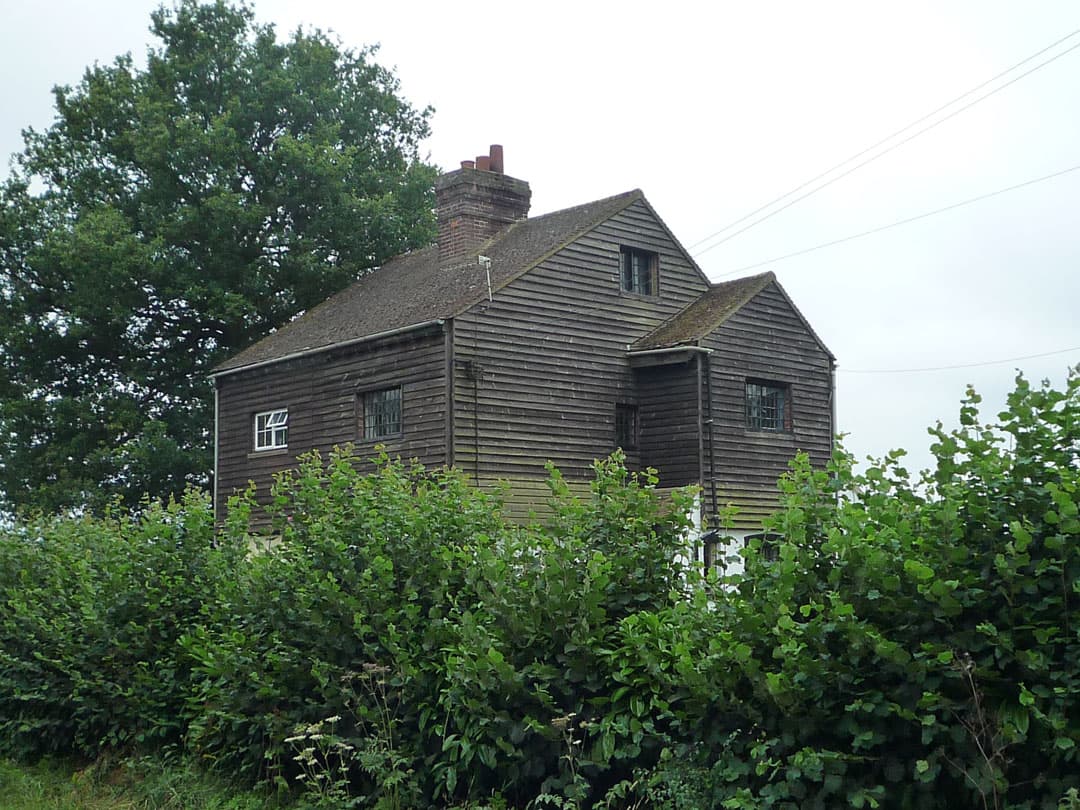
Photo: Tom Presland · CC BY-SA 2.0 · Source · Image credits

A Queensland house lives or dies at the skin. The sun is high, the rain is often sideways, the air is salty or full of spores, and the wet season does not care about your warranty language. Cladding and roofing are not the place to express a personality you are unwilling to paint.
The old Custom Homes QLD catalogue named houses after timbers. That was a clue. The studio thought in skins. This essay is the grown-up version of that instinct.
Roofs: water first, photograph second
Pitch, laps, fixings and overflows matter more than the profile you liked on Instagram. Tropical cells will find the low point you thought was charming. Box gutters without a second way out are a ceiling stain with a delay.
In cyclone regions the roof is a structural system. Screws, battens, and the way the roof talks to the walls are engineering, not a colour choice. Cyclone-rated homes.
Metal remains the state vernacular for good reasons: weight, speed, recyclability, and a tradition of trades who know it. Specify the material, the coating, the environment category, and the fixings. Then specify who inspects after a big wind.
Tiles still appear in south-east suburbs. They have weight, a different cyclonic conversation, and a maintenance life of their own. Do not mix a tiled aesthetic with a tropical detailing culture unless the specifier has done it.
Ventilate the roof space. Insulation and a dark tin sandwich is how you cook the house you paid to shade. Insulation and glazing and NatHERS.
Walls: the rain has a horizontal setting
A cavity or a rainscreen logic, flashed openings, and a bottom that can drain will outlive a fashionable board stuck on foam. Queensland’s driving rain punishes the western and coastal faces.
Timber cladding can be beautiful and local in spirit. It needs species, orientation, fixings, a finish cycle, and a design that does not trap water behind a pretty corner. If you will not maintain it, do not specify it. There are metal, fibre-cement and masonry systems that still look like a considered house.
Brick and block have a place, especially where thermal mass and robustness matter inland or on a BAL site. They change the foundation story and the look of a verandah. They are not automatically hotter or colder; the eaves and the plan decide more.
Salt, mould and the ten-year test
Walk a ten-year-old house in your climate. Look at window heads, the bottom of boards, the south side, the deck junction, the roof screw line. That walk is worth more than a showroom.
Near the Coral Sea, stainless and the right grade of metal are not snobbery. Inland, UV and movement may be the villains. In a rainforest edge, mould and leaf litter win. Choose the enemy.
Bushfire ratings will veto some pretty skins. BAL. Flood will veto some pretty linings at the low line. Flood.
Details that decide the argument
Sills that slope. Flashings that have an exit. Decks that do not push water into doors. A roof that can be walked for maintenance without dying. Gutters that can be cleaned without a hero. These are custom-home luxuries that look like nothing in a photograph.
Put them in the specification, not in a site instruction in week 40. The project management essay is about protecting details like these when someone wants to save a Friday.
Colours, heat and the street fight
Dark walls and dark roofs are fashionable and thermally expensive in most of Queensland. If you want them for the photograph, compensate with eaves, ventilation and a life you will actually live at 3 pm. Light colours show mould and dust; they also bounce heat. There is no innocent colour, only a chosen maintenance.
In character streets, colour is sometimes a planning conversation. Ask before you fall in love with a black box in Paddington.
Warranties that need a ladder
Most skin warranties assume cleaning, keep-clear flashings, and no incompatible metals. Salt sites need a rinse habit. Rainforest sites need a leaf habit. Write the habit into the household, not into a folder you will not open.
Keep leftover paint, a record of coil batches, and the roofing installer’s name. The person who patches a year-seven scratch will need them.
A house that is modern, stylish and functional in the Far North sense is a house whose skin still makes that claim after a decade of weather. Everything else is an opening weekend.
Junctions: where roofs meet walls and decks meet doors
Most leaks are not in the middle of a sheet. They are at the step, the pipe, the valley and the door track. Spend drawing time there. A custom home that leaves junctions to “the boys on site” is paying for a second roof later.
Ask for a junction schedule in the specification. It sounds bureaucratic. It is how you keep the stylish tropical box dry.
On salt sites, dissimilar metals at those junctions become corrosion. Name the metals. Name the separators. Then inspect them before they disappear behind a lining.
Trades who still know metal
A good roof plumber in Queensland is worth more than a feature wall. Ask who will flash the chimney that is not a chimney, the pipe, the solar. Ask who comes back after a storm. Custom skins fail when the last metre is left to whoever is free on Friday.
After the first big storm
Walk the roof line, the gutters and the western wall. Photograph anything that moved. A custom skin that is not inspected after weather is a warranty that will argue with you. Put the walk in the household calendar next to the smoke-alarm batteries.
Spend the fee on junctions, metals and a roofer who will come back after a storm. The middle of a sheet is easy. The pipe, the valley and the door track are the house. Walk the skin after the first big weather and keep leftover paint and coil records. A tropical, stylish wall that cannot be patched is only stylish until the first wet season writes a stain across the photograph you thought you had bought.
Frequently asked questions
- Is corrugated iron still the honest Queensland roof?
- Metal roofs remain a strong default if the grade, the fixings, the pitch and the overflows are specified for the place. “Colourbond-ish” from an unnamed coil is not a specification.
- Can I use raw timber cladding near the coast?
- You can, if you accept maintenance and you choose species and detailing that drain. Unmaintained fashion timber in salt air becomes a cautionary photograph.
- Do darker roofs help or hurt?
- They absorb more heat and can punish the ceiling space. They can also hide staining. In most Queensland custom homes a lighter, well-ventilated roof is the comfort choice.