Building and contracts · Priya Chandran · 5 min read
Project-managing a Queensland custom build
Timelines, wet-season sequencing, variations and hold points — how an owner stays useful on site without becoming the unpaid supervisor.
Published 9 September 2024 · Updated 15 April 2026
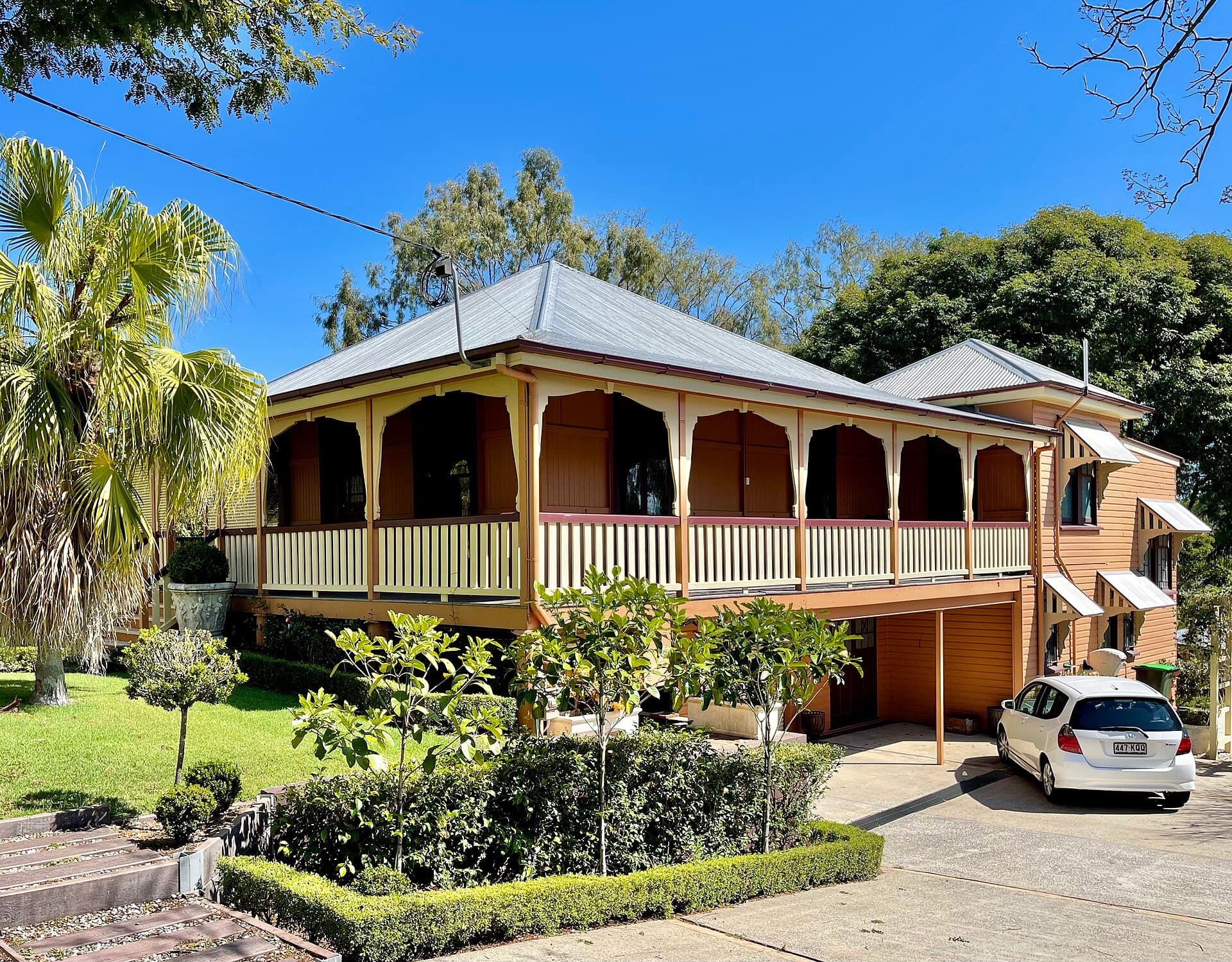
Photo: Kgbo · CC BY-SA 4.0 · Source · Image credits

A custom home has a long middle. Design is hopeful. Handover is emotional. The middle is delivery dockets, unanswered emails, and a sky that will not negotiate. Queensland adds a wet season, a wind season, and a labour market that can vanish to a mine or a flood rebuild. Project management is how you keep the house you signed, not the house that accumulated.
The 2015 Cairns owners who thanked Custom Homes QLD for finishing through rain, cyclones, Christmas and Easter were describing a managed program. This essay is how you participate in one without pretending you are the builder.
Agree the calendar as a climate document
A program that ignores November-to-March in Cairns, or a Brisbane storm season, is a wish. Ask when the roof goes on, when the wet trades land, and what happens if a cyclone warning sits over the coast. Cyclone construction changes more than tie-downs; it changes when a roof sheet is allowed to be a sail.
Build in lead times for windows, especially rated ones. BAL and energy glass are not hardware-store items. Bushfire, NatHERS.
Christmas is not a surprise. It is an Australian building season. Write it down.
Hold points are your power
The useful visits are the ones the contract and the certifier already named: foundation, frame, waterproofing, lock-up, practical completion. Be there. Photograph. Compare to the drawing, not to your memory of a conversation.
Waterproofing in wet areas is the hold point owners skip because it is ugly. Do not skip it. Kitchens and wet areas.
If something is covered early, you have lost the argument and kept the invoice.
Variations without the theatre
Write the change. Price the change. Draw the change if it is spatial. Then decide. A text message is not a variation. A “while you’re here” to a tiler is how you buy a second floor finish.
If the builder is slow to price, stop the work that depends on the answer. Continuing is how both sides invent a number later.
Keep a running cost-to-complete. The cost guide is the structure; your spreadsheet is the live version.
Communications that do not multiply
One owner voice. One builder voice. Email for decisions, not for atmosphere. If you hire an independent superintendent or architect to administer, say so in the contract. Architect or D&C.
Do not brief trades directly unless the contract says you may. You are not saving time. You are creating two jobs.
Quality, defects and the last month
Start a defects list when you still have leverage, not the week you want the keys for a removalist. Practical completion is a defined state, not a feeling. Read the definition.
The first wet season after handover is a second defects period in Queensland, whether the contract admits it or not. Walk the house in rain. Look at sills and the roof.
Insurance and licensing sit in the background the whole time. If the company changes name mid-job, stop and read QBCC again.
The owner’s useful role
You decide the life: rooms, budget, the three things that must not be traded. You show up at hold points. You pay on time when the stage is real. You do not redesign the kitchen from the driveway.
Trades, manners and the Friday afternoon instruction
A custom site is a small town. The owner who brings morning tea and a new idea every Friday will be quoted in the sheds. Save the ideas for the weekly meeting. Save the tea if you like.
If a trade asks you a question that changes the drawing, smile and send them to the builder. You are not being unhelpful. You are keeping the contract in one piece.
Photograph deliveries that look short or damaged. Queensland freight is part of the story, especially north of Rockhampton.
Practical completion without the champagne lie
Keys are not a mood. Read the definition: what must work, what certificates must exist, what can sit on a defects list. Do not move furniture into a house that cannot lock, heat water, or keep rain out because the lease ended.
A staged move-in on a high-set house is how people live over a workshop for a year. If that is the plan, write it. If it is not, do not improvise it.
The house the old masthead promised — individual, tropical, finished — is a managed object. Manage it, or the weather will.
Money, claims and the weekly number
Ask for a cost-to-complete every fortnight once variations start. A custom job without a running number is a novel. You want a ledger.
If a claim arrives that does not match the stage, ask to walk the stage. Politeness and firmness can share a sentence.
Keep copies of everything in two places. Phones fail. So do group chats that were never the contract.
When to bring in a third pair of eyes
If you cannot read a drawing, hire someone who can for the hold points — an architect, a building inspector, a trusted supervisor named in the contract. A day rate is cheaper than a tiled-in mistake. Do it before the membrane, not after the furniture.
The owner’s weekly hour
One hour, same day, same agenda: safety, program, variations, hold points, decisions needed. Send minutes. If the hour keeps sliding, the job is sliding. Put it in the calendar like a school pickup. Custom homes fail in the gaps between meetings, not in the meetings themselves, and Queensland weather will happily occupy any gap you leave unattended on a Friday. End every site visit with one written decision or none. Conversations that do not become paper become variations with no author, and those are the ones that wreck both the budget and the friendship you thought the handshake had bought.
Keep one owner voice, one weekly hour and a cost-to-complete once variations start. Be present at hold points. End visits with a written decision or none. Queensland weather will occupy any gap you leave on a Friday. The individual tropical house the old masthead promised is a managed object. Manage it, or the wet season will manage it for you at variation rates.
Frequently asked questions
- Should I visit the site every day?
- A weekly structured visit plus presence at hold points is enough for most owners. Daily wandering creates instructions the contract did not price.
- Who records wet days?
- The builder should, in the way the contract describes. Ask to see the register. In the Far North, this is not pedantry.
- Can I hire my own project manager?
- Yes, if the contract says how they speak to the builder. An undefined third party is how instructions multiply.